Why Most New Year’s Resolutions Fail — And What Actually Creates Lasting Change
Every January, millions of people set New Year’s resolutions with genuine hope. And yet, research consistently shows that only about 9% follow through, while the majority fall away within weeks.
This isn’t a personal failure. It’s a design problem.
We’ve been taught that change requires discipline, motivation, and willpower. Neuroscience — and the nervous system — tell a very different story.
Lasting habits aren’t built by trying harder. They’re built by working with how the brain and body actually function.
Below are eight neuroscience principles that quietly shape our ability to change — explained simply, without overwhelm, and grounded in a somatic, compassionate approach.
Change Isn’t a Character Flaw — It’s a Nervous System Conversation
When habits don’t stick, we often blame ourselves:
“I’m inconsistent.”
“I lack discipline.”
“I just need to want it more.”
But your nervous system is always asking a deeper question:
“Is this safe, efficient, and rewarding right now?”
If the answer is no, the body resists — not out of laziness, but protection.
Let’s explore why.

1. The Brain Chooses Now Over Later
(Temporal Discounting)
Your brain prioritizes immediate relief over long-term rewards.
That’s why:
“This will help in 6 months” doesn’t motivate
“This feels grounding right now” does
If a habit only pays off in the future, your nervous system won’t stay engaged.
What works instead:
Design habits that offer immediate benefit — a calmer breath, a softer body, a moment of pleasure or ease.
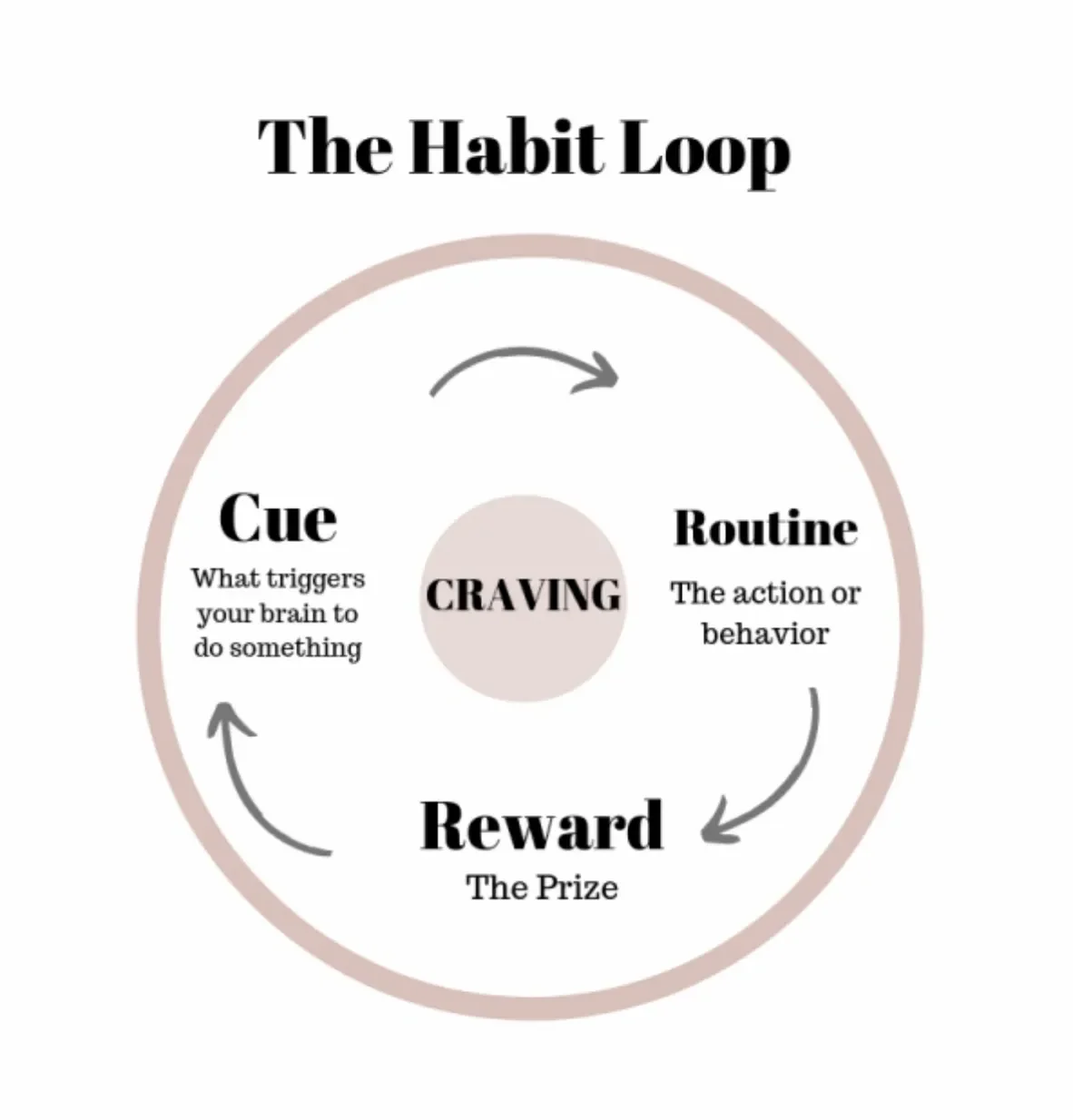
2. Habits Run on Cues, Not Willpower
(Cue → Routine → Reward Loop)
Habits stick when they’re triggered automatically, not when they rely on memory or motivation.
Not:
“I’ll remember to do this.”
But:
“When X happens, I do Y.”
Your body responds to signals, not intention.
What works instead:
Anchor habits to existing cues — waking up, brushing teeth, making tea, closing your laptop.
3. Fewer Decisions Create More Consistency
(Decision Fatigue)
Every decision costs energy.
When habits require constant choosing — when, how, how long — they drain the nervous system.
What works instead:
Simplify the habit
Reduce options
Remove friction
Predictability is regulating. Your body relaxes when it knows what comes next.
4. Identity Shapes Behavior
(Identity-Based Neural Encoding)
Your brain strengthens behaviors that align with who you believe you are. Habits fail when they feel like punishment or self-correction. They last when they feel like self-expression.
What works instead:
Shift from “I should do this” to
“This is part of who I am now.”
5. Repetition Rewires the Brain
(Neuroplasticity)
The brain changes through repetition, not intensity. Big, dramatic efforts often overwhelm the nervous system and collapse quickly.
What works instead:
Small, consistent actions done in a state of relative safety. Your body learns through experience — not pressure.
6. The Nervous System Hates Perceived Loss
(Loss Aversion)
Your system reacts more strongly to loss than gain.
If a habit feels like:
deprivation
restriction
self-denial
The body resists — even if the habit is “good for you.”
What works instead:
Design habits that add support rather than take something away. Sustainable change feels nourishing, not punishing.
7. Your Environment Is Training You
(Preloaded Stimulus–Response)
Your surroundings shape behavior long before conscious choice appears.
What’s visible gets repeated.
What’s easy gets chosen.
What’s hidden gets forgotten.
What works instead:
Design your environment to support the habit — cues, placement, visibility — rather than relying on discipline.
8. Categories Matter More Than Complexity
(Categorical Perception)
The brain likes clear categories:
safe / unsafe
easy / hard
me / not me
When habits feel vague, overwhelming, or unclear, the nervous system disengages.
What works instead:
Clear, simple categories:
“One minute”
“After coffee”
“Before sleep”
“This is my nervous system care”
Why Most Habits Fail — And Why That’s Not a Problem
Most resolutions fail not because people are inconsistent — but because they weren’t designed with the nervous system in mind.
Willpower fades.
Motivation fluctuates.
But structure, cues, identity, and safety endure.
A Gentler Question for the Year Ahead
Instead of asking:
“What should I change this year?”
Try asking:
“What would make this easier on my body?”
Change that feels safe becomes sustainable. Change that feels kind becomes consistent. And that’s where real transformation begins.
Drawn to dive deeper? Join the FEEL AGAIN WAITLIST
Curious what 1:1 working with me looks like? Email me directly: info@noushasalimi.com
Nousha